

Buying a lifestyle block or small farmlet is a dream for many Kiwis, but as any seasoned owner will tell you, those few extra acres can quickly become a full-time job if you’re not prepared.
Fences need fixing, water needs monitoring, grass grows faster than you expect, and stock always seems to know the exact moment you’re least ready for them to escape.
To help new and future lifestyle block owners get off on the right foot (with the right gumboot), we spoke with two experienced PGG Wrightson Real Estate agents, Rural and Lifestyle Sales Consultant Simon Richards from Timaru and Lower North Island and East Coast Sales Manager Wayne Brooks. Together, they’ve seen what works, what doesn’t, and where new owners often get caught out.
Here’s their practical, down-to-earth advice - the kind that makes managing your block easier, safer, and far more enjoyable.
Start with a plan (and start small)
One of the biggest challenges new owners face, Wayne says, is underestimating the workload. A few paddocks look manageable from the real estate photos, but once the lawns need mowing, the water pump stops working, and a trough starts overflowing, reality kicks in.
Many owners also jump in without a clear plan for how they want to use the land - grazing, gardening, pets, orchards, or a combination. And also make a point to talk to your insurer, as lifestyle blocks have different insurance needs, especially when stock, pumps, sheds, or water infrastructure is involved.
So both agents agree - start small. Focus on getting one or two paddocks and systems working well before expanding. Good routines and thoughtful planning early on will save you hours of frustration later.
Walking your property regularly is another essential habit. You’ll spot issues like leaks, weeds, or stock health problems long before they become major jobs.
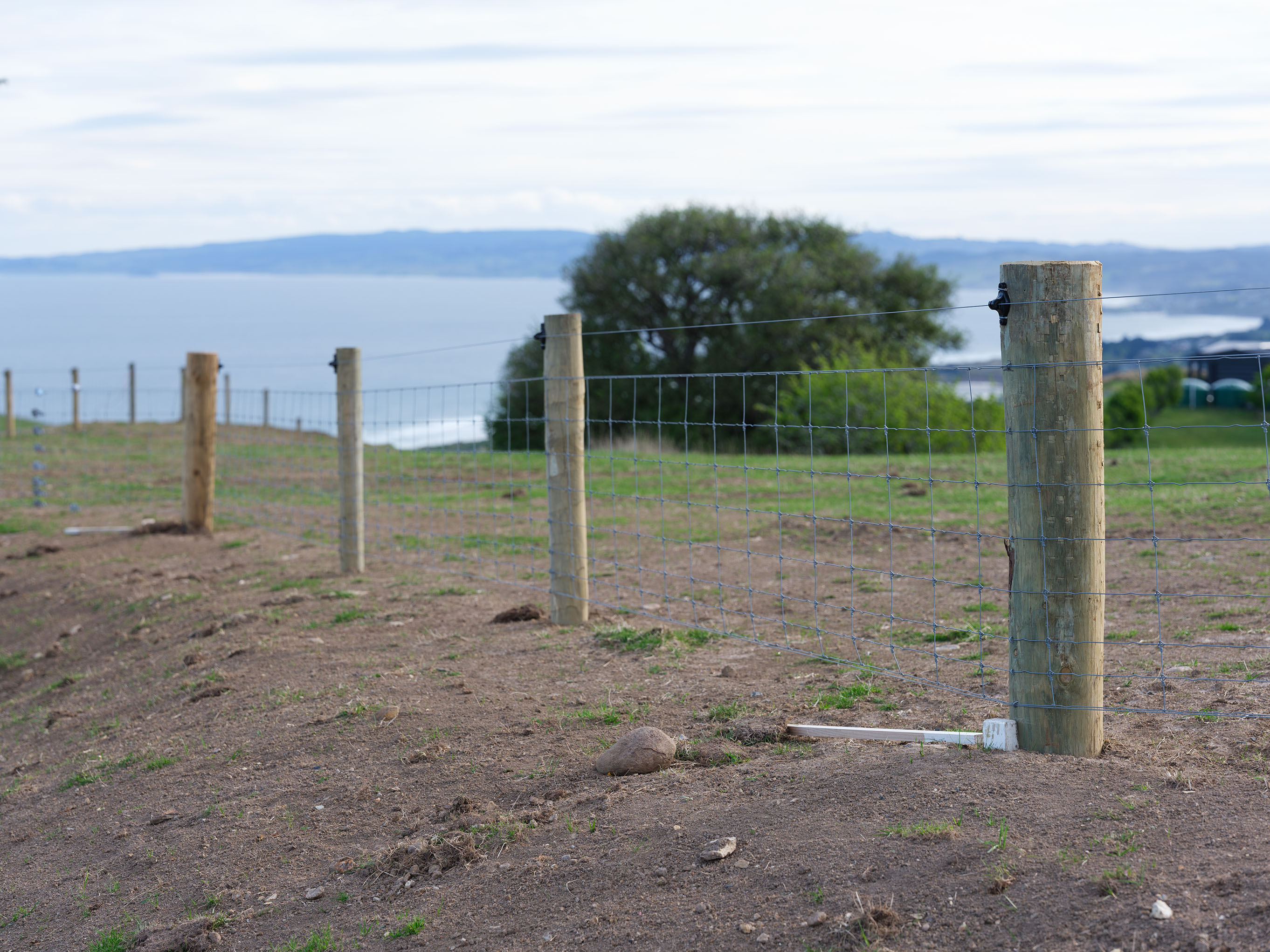
Fencing - do it once, do it right
Ask any rural professional what matters most, and you’ll get the same answer - fencing. According to Simon, the very first priority should always be your boundary fences.
“These are what contain your stock and keep them off the road or out of your neighbour’s property,” he explains.
“Neighbourly relationships are so important from day one, and a secure boundary fence is the best way to keep things on good terms.”
The second essential is a reliable electric fence unit. A hotwire around the property will teach stock to respect the boundary, reducing breakouts and headaches.
Both Simon and Wayne see the same mistake again and again, where people try to do all the fencing themselves without the experience to get it right. It’s physically tough, technically tricky, and if the strainer posts or wire tension aren’t spot on, the fence simply won’t hold.
As Simon puts it, “Save yourself the frustration and get a contractor to do it once and do it right. It’s money well spent.”
Water - the lifeblood of the block
When it comes to lifestyle blocks, nothing is more important than a reliable water system. Tanks, troughs, pumps, and pipes all need to be understood and checked often.

Pictured: Simon Richards, Rural & Lifestyle Sales Consultant - Timaru.
Simon’s biggest advice is vigilance. “Check your troughs and tanks regularly,” he says. “It doesn’t take long to empty a tank if there’s a broken ballcock or pipe.”
He also recommends having more storage than you think you’ll need, positioning the tank outlet a third of the way up so you always have an emergency reserve, keeping your pressure pump serviced and making full use of roof collection if supply is limited.
Wayne adds that every paddock should have reliable troughs with clean water, and that owners should plan well ahead for dry summers, potentially installing extra tanks or discussing bore options.
Choosing the right stock (and the right numbers)
Animals are a big part of the appeal for lifestyle block owners, but the wrong choice - or the wrong number - can create unnecessary stress.
Simon suggests starting with young hand-reared calves, which are quieter and easier to handle, or self-shedding sheep such as Dorpers that don’t require shearing. These animals still need drenching and basic care but are much more manageable for beginners.
Both agents stress the importance of:
- Avoiding overstocking
- Rotating paddocks to rest and regrow pasture
- Providing hay or baleage in winter
- Using electric fencing to control feed intake in autumn and winter
Wayne adds an important warning many new owners don’t consider - to sell cattle before they grow too large for your facilities.
“It’s a common mistake where cattle outgrow the yards, ramp, or handlers, making them difficult and dangerous to move or sell.”
And remember - if stock management becomes overwhelming, many local farmers or neighbours would probably be willing to lease or graze the land for you, allowing you to enjoy the lifestyle without the livestock workload.

Pasture, mowing, and managing the green stuff
Healthy pasture is at the heart of a successful lifestyle block. Let it get too long and it becomes smelly and if you graze it too hard and you risk weeds, mud, and poor regrowth.
Simon recommends annual fertiliser, strategic mowing, and using contractors if you don’t have the equipment. And Wayne suggests a simple cycle, to graze, rest, mow, repeat.
Mowing or slashing before grass goes to seed will encourage fresh growth and keep weeds at bay. And soil testing every few years helps you understand what fertiliser or lime is actually needed - saving money and boosting results.
Weeds like thistles and ragwort are much easier to control when small, so walk your block often and act early.

The right tools make life easier (and safer)
While it’s tempting to rush out and buy every rural gadget, both agents recommend starting with the essentials. A few smart purchases make day-to-day management dramatically easier, things like:
- A good electric fence unit
- A reliable mower or small tractor
- Basic handling facilities for your chosen animals
- A quad or side-by-side (with proper training and a helmet)
- Quality hoses, trough parts, and fencing gear
- Practical clothing - raincoat, gumboots, gloves, and hearing protection
And don’t underestimate the value of local contractors. From topping paddocks to repairing pumps, they’re often the fastest, safest, and most cost-effective option.
Small upgrades that make a big difference
Both agents agree that the best long-term improvements are usually simple. Think along the lines of extra taps or troughs, gravel in gateways, lighter, easy-to-open gates, better lighting around sheds and yards, automatic switches or timers on pumps and practical shearing or handling facilities.
These changes save time every single day and prevent the small irritations that can make rural living feel like hard work.

Pictured: Wayne Brooks, Lower North Island/East Coast Sales Manager and Iwi Liason.
Look after the land… and it will look after you
Lifestyle blocks offer a wonderful way of life - fresh air, space, and the satisfaction of working your own land. But they do require knowledge, effort, and a willingness to ask for help.
“Owning a lifestyle block is rewarding, but it’s a lifestyle, not just a house with extra land,” says Wayne. And in the words of a wise farmer he once knew.
“Ka ora te whenua, ka ora te tangata - when the land is well, we are well.”
With the right planning, good routines, and a strong support network, your block doesn’t need to be perfect - it just needs to work well for you and your family.
From purchasing advice to what to do once you’ve moved in, PGG Wrightson is your one stop shop for everything you need to ensure your lifestyle property is serving you in the best way possible. If it’s time to find your dream lifestyle property or farmlet - contact us today.


Related posts
Back to News & Publications


