

From high-speed internet and satellite connectivity to automated farm systems and digital property data, technology and innovation has changed how farms operate - but also how buyers evaluate, purchase and live on rural land.
So which technologies are genuinely influencing purchasing decisions, and what are today's buyers expecting when they look at a rural or lifestyle property?
The online farm inspection
“Modern tools such as drone footage, interactive mapping, video walkthroughs and digital information packs allow buyers to gain a much deeper understanding of a property from anywhere in the country, or even overseas,” says Peter Wylie, a Rural Sales Consultant in Te Kuiti.
"It’s completely transformed rural marketing, allowing buyers to understand a farm in depth before they even step on it.
“This is particularly important for rural land, where factors such as contour, access, waterways and infrastructure can significantly influence a property's suitability.”

Pictured: Brent Irving, Rural and Lifestyle Sales Consultant in Otago.
And Brent Irving, a Rural and Lifestyle Sales Consultant in Otago, agrees, saying that not only does technology provide buyers with more information, it’s also shifted expectations around communication.
"Years ago you might send a letter or a fax and wait for a response, now people send an email at 4am and expect an answer by 7am. This means everything in the selling process tends to move faster."
The reach of rural property listings is also extensive.
"We can list a property on a Thursday and have it in front of the whole market by Friday - it's not unusual to receive 15 or 20 inquiries within the first day," Brent adds.
In some cases, buyers are making purchasing decisions from thousands of kilometres away, with Brent recalling one recent rural property sale where the 80 year old buyer was based in New South Wales, Australia.
"The technology we use today allows people to confidently assess properties from a distance in ways that simply weren't possible a few years ago."
Wishing on a Starlink for rural property connectivity
While location has always been one of the key drivers of property value, connectivity is becoming an increasingly important consideration for rural buyers.
The rise of remote work, online schooling, cloud-based business systems and digital communication has made reliable internet and mobile coverage an essential service rather than a luxury.
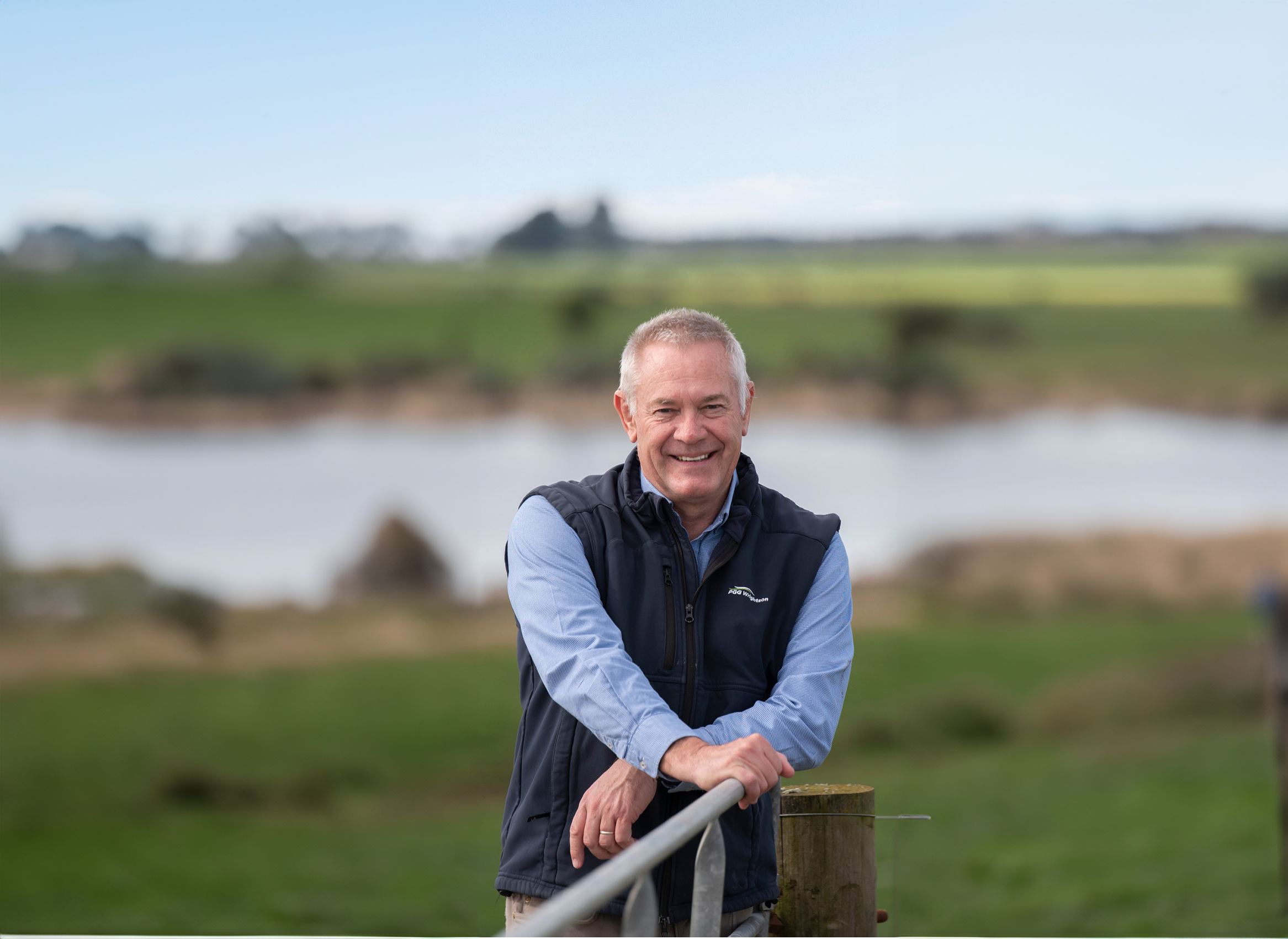
Pictured: Peter Wylie, a Rural Sales Consultant in Te Kuiti.
"Buyers now expect reliable coverage just as they would power or water," says Peter.
“Technology such as Starlink satellite internet has been particularly influential in helping bridge connectivity gaps in more remote areas, opening up rural living to a wider range of people.”
And thankfully it seems connectivity challenges are becoming less of a barrier than they once were.
"It's almost becoming a given that most farms have access to reliable internet now," says Brent.
“Because for lifestyle buyers seeking space and privacy, without sacrificing modern conveniences, that connectivity is a significant drawcard.”
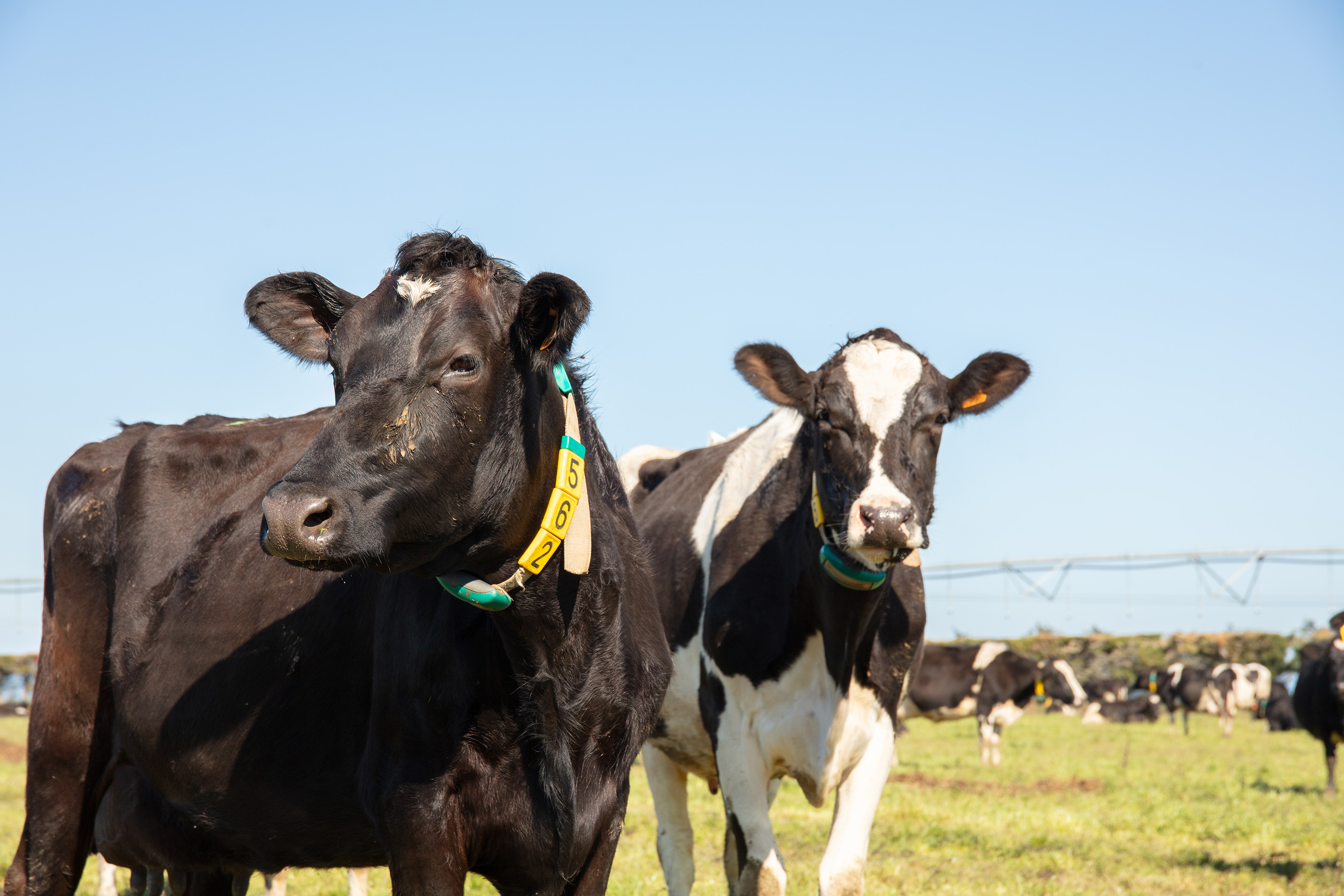
Smarter farms, better information - but not always an increase in value?
Technology is also changing, in some ways, what buyers look for once they arrive on a property. While practical infrastructure remains critical, modern farming systems are increasingly becoming part of the value proposition.
“Automated feeding systems, water monitoring technology and livestock management platforms are all helping farmers improve efficiency and make better-informed decisions,” says Peter.
"Halter is becoming more common on many farms and buyers are definitely talking about it.”
Brent says while these technologies may not always directly increase a property's value, they can enhance its appeal by reducing labour requirements, improving productivity and supporting future farm management.
“I think buyers still place just as much importance on practical functionality as they do on newer technologies. They want workable stock and water schemes, good access and good infrastructure.
“Of course the technology is a bonus, but it still needs to be a practical farming operation."
The rise of the data-driven buyer
One of the biggest changes both agents have seen in recent years has been the amount of information buyers expect before making a decision, with today's purchasers increasingly data-driven - seeking detailed insights into a property's performance and potential.
"Stocking rates, production history, soil data, rainfall records, water rights and compliance information are commonly requested," says Peter.
“Even lifestyle buyers are becoming more thorough in their research, often seeking information about flooding risks, land stability, council regulations and future development constraints.”
While the COVID-19 pandemic accelerated this shift, with more people becoming comfortable using digital tools to research and evaluate property remotely, farmers themselves have certainly embraced technology in day-to-day operations.
"They probably use more technology than many urban people realise," says Brent.
"From compliance and health and safety through to farm management software and production monitoring, technology is part of everyday farming now."

Practical technology as a selling point
As innovation becomes increasingly integrated into rural operations, vendors are recognising the importance of highlighting technology and infrastructure features when bringing a property to market.
Features such as solar power systems, internet connectivity, automated farm systems and modern water infrastructure can all help strengthen buyer interest.
"Those things can represent a significant capital investment," says Brent. "So they're definitely worth highlighting."
And Peter agrees, noting that the technologies of most interest are typically those that improve efficiency, reduce risk or enhance day-to-day liveability.
"Practical, robust systems tend to deliver the strongest return."
A more connected future
While technology will never replace the fundamental appeal of rural property - space, lifestyle, productivity and connection to the land - it is changing how people experience and evaluate it. Innovation has helped transform rural living from something once considered isolated into something increasingly connected, efficient and accessible.
As Peter explains,
"Properties that embrace technology are not only easier to market, but more resilient to change - whether that's climate, economic pressure or lifestyle expectations."
For buyers, sellers and rural communities alike, technology is becoming another important part of the landscape - and one that's helping shape the future of rural property across New Zealand.
For over 175 years, PGG Wrightson Real Estate has been helping rural buyers and sellers make their next move. Our professionals live in the communities we service, and understand rural property like no other.
Contact our nationwide team today, to secure your plans for tomorrow.


Related posts
Back to News & Publications


