

Across the country, more New Zealanders are dreaming of a life where they can grow their own food, run a few animals, and step outside to a garden that ‘feeds’ both their body and mind.
Whether it’s a handful of chickens, a home orchard, or a small block with enough grazing to reduce the family grocery bill, it seems the attraction of living off the land is stronger than ever.
For many, this shift isn’t about going ‘back to basics’, but more about taking a step toward balance - they are seeking a lifestyle that blends rural freedom with modern convenience. And as lifestyle and rural real estate markets continue to evolve, properties that support self-sufficiency are becoming some of the most sought-after listings in the country.
We spoke with two PGG Wrightson Real Estate rural and lifestyle experts, Lyz Palmer and Richard Thompson, about what’s driving this movement and how living off the land is adding real value to both people’s lives and the properties they purchase.
A lifestyle trend that’s here to stay
According to both agents, the appetite for lifestyle properties that enable self-sufficiency has grown significantly in the past five years. It began as a post-COVID shift, influenced by supply chain disruptions and rising living costs, but it has since transformed into a long-term trend.

Pictured: Lyz Palmer, Rural & Lifestyle Sales Consultant - Timaru
In Timaru, Lyz Palmer sees a consistent wave of buyers looking for lifestyle blocks under the $1 million mark.
“People want sustainability and affordability,” she says. “They want space for gardens to grow food and to graze a few animals, or to simply stretch out. But they also want to be close enough to work, school, or the supermarket, and Timaru and Waimate certainly offer that balance.”
Richard Thompson says much the same is happening in the Waikato, and the motivation is practical as well as philosophical.
“People have realised that if you can reduce how much money you spend, you can survive on not a lot,” he explains. “Growing their own food, keeping chickens, using bore water - it’s not just a hobby anymore. It’s about lowering costs, reducing debt, and simplifying life.”
How productivity adds property value
While lifestyle properties aren’t usually purchased for commercial-scale profit, features that support self-sufficient living undeniably increase buyer interest and, in many cases, market value.
Lyz says established gardens, fruit trees, fertile soil, and reliable water access all make a property more appealing.
“Buyers love ready-made opportunities,” she explains. “A thriving orchard or well-fenced garden isn’t just attractive - it adds real, tangible benefits because it reduces setup costs.”
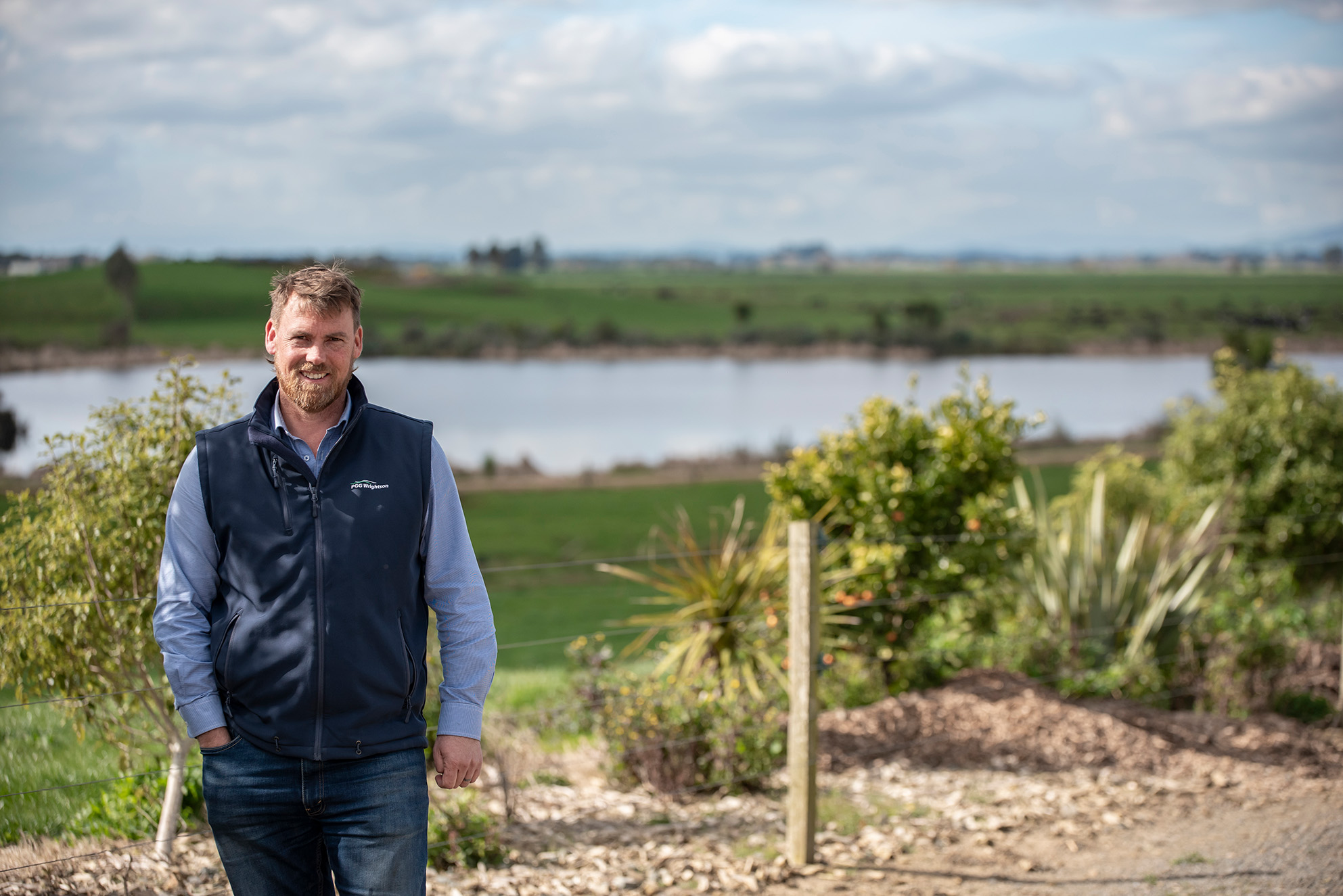
Pictured: Richard Thomson, Rural & Lifestyle Sales Consultant - Hamilton
Richard agrees, adding that certain natural features are pure gold in the current market.
“If a property has water, fertile land, and a pocket of bush, that’s the dream combination. Often those things are more important than the house itself.”
Water security also comes up again and again - Richard says buyers want bores, springs, tanks, or high-pressure roof collection systems, as the ability to produce food and support animals means little without a reliable supply.
Why buyers are craving self-sufficiency
Both agents see a shift in mindset, where once lifestyle buyers were once focused primarily on privacy and open space, today’s buyers are motivated by:
- Rising food prices: Home-grown produce and meat help buffer household budgets.
- Energy and utility costs: Solar potential, water autonomy, and off-grid systems are increasingly appealing.
- Health and wellbeing: Gardening, raising animals, and working outdoors are widely seen as therapeutic.
- Family and future resilience: Many buyers want to offer their children outdoor freedom and practical, hands-on learning.
- Financial breathing room: Plenty of those relocating are making the move from city living to lower their debt and cost of living.
“People talk about wellbeing all the time,” says Lyz.
“They want fresh food, space for their kids, and the chance to slow down. And for me - living on two hectares myself - I can fully support that. There’s nothing better than getting home after a long day and feeding the sheep barefoot.”
The rise of the rural side hustle
Small-scale enterprises are also becoming a natural extension of lifestyle living. From honey and eggs to Airbnb-style cabins, tiny weddings, or growing seasonal produce, buyers increasingly look for properties that support a supplementary income.
Richard sees this often.
“People want a side hustle - something they can grow from home,” he says.
“It might be glamping, a little orchard, a shed business, a craft studio, or selling eggs at the local swap meet. Some even set up community gardens or get into beekeeping. It’s about creativity and connection.”
So of course, lifestyle properties that offer flexibility for small ventures generally draw more interest, especially in areas with tourism potential or strong community networks.

Features that make a property stand out
Some common themes emerged from both Liz and Richard when asked what today’s buyers want most.High-priority features:
- A reliable water source (bore, spring, or strong roof collection)
- Good fencing and shelter belts
- Fertile, workable soil
- Sheds - “the bigger the better,” Lyz says
- Grazing capability for sheep, goats, or cattle
- Sunshine and shelter for gardens and orchards
Bonus features that elevate a property:
- Off-grid potential (solar, batteries, independent water)
- Established orchards and garden beds
- Bush areas for privacy, firewood, or ecological establishment
- Infrastructure for animals or small-scale farming
- Space for tiny homes or guest accommodation
Many buyers are happy to renovate or build more affordably - such as using transportable homes - but they want the land to be right.
As Richard puts it, “you can fix a house, but you can’t fix the soil or aspect.”
Advice for buyers considering the move
For anyone dreaming of living more off the land, both agents recommend doing some homework before making the leap.
Lyz’s advice is to start with clarity.
“Know your goals. Do you want animals? Gardens? Off-grid living? Then check the zoning and make sure you can do what you’re planning. And budget for infrastructure - sheds, fencing, water storage, sewerage. Those basics matter.”
Richard emphasises water, shelter, and buying a property you can grow into.
“Get something slightly bigger than you think you need. And don’t be afraid to give it a go. Yes you’ll have failures of crops, projects, ideas, but it’s part of the process.”
A lifestyle that adds value beyond money
Living off the land isn’t simply a trend. It’s a meaningful lifestyle choice grounded in wellbeing, resilience, and connection. For some, it’s about reducing bills and futureproofing and for others, it’s a chance to raise kids outdoors or to unwind from the pace of modern life.
But across New Zealand, one thing is clear - residential properties that enable self-sufficiency, big or small, are becoming more desirable, more valuable, and more deeply connected to the way people want to live.
If this way of living sounds like something you want to explore further - contact one of our friendly and experienced agents who are available right across New Zealand. They are waiting for your call and the opportunity to help you find your dream lifestyle property.


Related posts
Back to News & Publications


